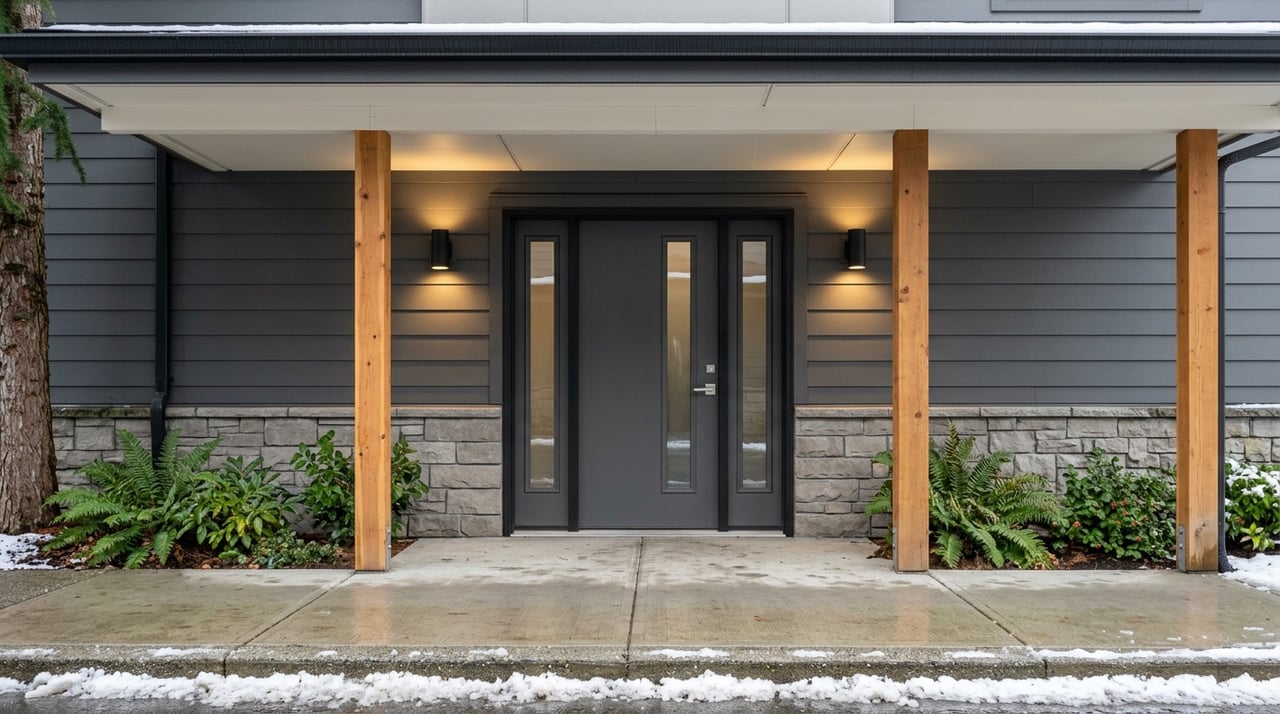
Guide To Buying A Condo At Mount Washington
May 28, 2026
May 28, 2026
Thinking about buying a condo at Mount Washington? It can be an exciting move, whether you want a personal getaway, a four-season recreation base, or a property with rental potential. It can also come with mountain-specific details that are easy to miss, from strata rules to winter access. This guide will help you focus on the questions that matter most before you buy. Let’s dive in.
Mount Washington is not a typical condo market. The village area at the base of the mountain has grown around service roads, infrastructure, commercial uses, and residential accommodation, and the resort is positioned as a year-round recreation destination.
That matters because your buying decision is about more than square footage or finishes. You are also buying into a resort environment with seasonal use patterns, shared infrastructure, and a building location that can affect how you use the property through the year.
Local planning documents describe a mix of private development that includes chalets, duplexes, large strata apartments, and lodges. In practical terms, that means condo buyers can see very different ownership and building setups from one property to the next.
Some buildings may feel more like traditional apartment-style condos, while others may function more like resort lodging or part of a village cluster. Before you fall in love with the interior, make sure you understand the building type, common areas, and how the property fits into the overall village layout.
At Mount Washington, access is a major buying factor. Village mapping shows that some properties have year-round vehicle access, some have summer vehicle access only, and some are in pedestrian-only areas.
This can affect day-to-day convenience in a big way. If you plan to use the condo often in winter, host guests, or coordinate rentals, you will want to know how easy it is to arrive, unload, park, and move around the property.
Here are a few questions worth asking early:
These details may sound small at first, but on a mountain property they can shape your experience just as much as the unit itself.
Strata fees are a key part of condo ownership in British Columbia. According to BCFSA, strata fees can pay for shared maintenance, security, insurance, amenities, and other common expenses.
In a resort setting like Mount Washington, this deserves extra attention. Snowfall, seasonal wear, shared access points, and building upkeep can all affect operating costs over time.
A lower monthly fee is not always the better deal if the building is underfunded or facing future repair costs. A slightly higher fee may be easier to manage than an unexpected special levy.
One of the most important documents in your due diligence is the Form B Information Certificate. BCFSA says it must be provided within 7 days and can cost up to $35 plus copying.
This document can tell you a lot about the health of the strata and the specific unit. It discloses monthly strata fees, arrears, special levies, the contingency reserve fund, bylaws, parking and storage, insurance, and outstanding work orders.
The Form B must also be accompanied by:
When you review these documents, pay close attention to whether major work is coming, whether the reserve fund appears adequate, and whether the parking and storage details match how you plan to use the property.
The contingency reserve fund is one of the clearest windows into a strata’s financial readiness. If a building needs repairs related to roofing, exterior systems, snow-related wear, or shared components, this fund can play a major role in how those costs are handled.
A healthy reserve fund does not guarantee there will never be added costs, but it can reduce the risk of sudden surprises. You should also ask if any special levies are pending or being discussed, especially in older or more heavily used buildings.
British Columbia requires depreciation reports to include a 30-year repair and replacement forecast and at least three contingency-fund funding models. This can give you a clearer picture of future repair planning and how the strata expects to pay for major items over time.
If the building has a depreciation report, read it carefully. If it does not, ask why and what the strata is using to plan for long-term repairs and replacement costs.
At Mount Washington, this is especially important because heavy snowfall, changing seasonal conditions, and resort-style use can increase wear on roofs, access systems, and common areas. Buyers should pay close attention to the building envelope condition, reserve funding, snow-related maintenance, and insurance.
In British Columbia, buyers generally have a 3-day rescission right after acceptance of an offer, subject to exemptions. If a buyer rescinds, the fee is 0.25%.
This is not a substitute for careful due diligence, but it is an important part of the purchase timeline to understand. If you are buying a Mount Washington condo, it helps to be organized and ready to review documents quickly once an offer is accepted.
If you are buying with income potential in mind, rental rules should be near the top of your checklist. At Mount Washington, the answer is not just whether rentals are allowed. You also need to know what kind of rentals are allowed and what rules apply.
Start with the strata bylaws. BC says strata bylaws can ban or limit short-term rentals, so even if the broader zoning framework is supportive, the strata’s own rules still matter.
You should confirm:
In the Comox Valley Regional District, short-term rental generally means accommodation for less than 90 consecutive days. Outside the Mount Washington resort framework, whole-unit short-term rentals usually require a Temporary Use Permit or rezoning, and the CVRD estimates a Temporary Use Permit at about 6 months and $1,500.
Mount Washington is different. The CVRD says it adopted a zoning amendment to permit the principal use of short-term rental accommodations in dwelling units within the Mount Washington Comprehensive Development Zone’s residential accommodation and resort facilities districts.
The CVRD also notes that tourist accommodation in a permanent building is not subject to the provincial short-term rental act. Even so, current zoning, provincial registration, and strata bylaws still need to be checked for any specific unit.
That is why buyers should never assume a condo is automatically ready for nightly rentals just because it is on the mountain. The building rules and unit status still matter.
Mount Washington is best viewed as a two-peak resort market rather than a one-season destination. In winter, the resort offers skiing, Nordic trails, snowshoeing, fat biking, and a tube park.
In summer, it offers lift-accessed bike park trails, zipline, hiking, and disc golf. That activity mix suggests demand can come in both winter and summer, although it does not guarantee occupancy or profit.
If rental income is part of your decision, use a conservative approach. It is better to treat income as a possibility to verify than as a promise built into the purchase.
Access to the mountain is another practical part of ownership. The resort shuttle bus runs from December through April between the Comox Valley and the mountain, and the resort says round-trip fare is $20.
For drivers, the resort notes that Strathcona Parkway is maintained by Mainroad North Island and that drivers should have good winter tires and chains available. If you plan to self-manage a rental, visit frequently in winter, or rely on guest turnover, this matters.
Before buying, think through:
Mount Washington’s operations shift between winter and summer seasons, and lift operations are subject to weather and can close without notice. The resort also says it receives more than 9 metres of snowfall on average annually.
That makes weather more than a lifestyle detail. It is part of the ownership picture.
Snow volume and changing mountain conditions can influence maintenance schedules, insurance considerations, guest logistics, and the pace of building wear. If you are comparing two similar condos, the one with clearer access, stronger reserve planning, and a better-maintained building may offer more long-term confidence.
For many buyers, tax treatment is part of the investment question. The CVRD says the speculation and vacancy tax applies in Cumberland, Comox, and Courtenay, while electoral areas are not included.
Because the Mount Washington IRCP area is in Electoral Area C, Mount Washington resort condos are generally outside the taxable areas. Even so, buyers should verify the parcel’s exact classification before relying on that assumption.
Before you write an offer, try to get clear answers to these core questions:
The right condo at Mount Washington can support a great lifestyle and, for some buyers, a useful income strategy. The key is knowing exactly what you are buying, how the strata operates, and how the property functions in a mountain setting.
When you look beyond countertops and views and focus on access, documents, bylaws, reserve planning, and seasonal use, you put yourself in a much stronger position. That kind of clarity can help you buy with more confidence and fewer surprises.
If you are considering a Mount Washington condo and want calm, local guidance through the details, connect with Sophie Gardner for thoughtful support tailored to Vancouver Island buyers.
Stay up to date on the latest real estate trends.

No matter your need, whether you are a first time home buyer, looking to sell, or a seasoned property investor, contact us to see how we can help with your goals.