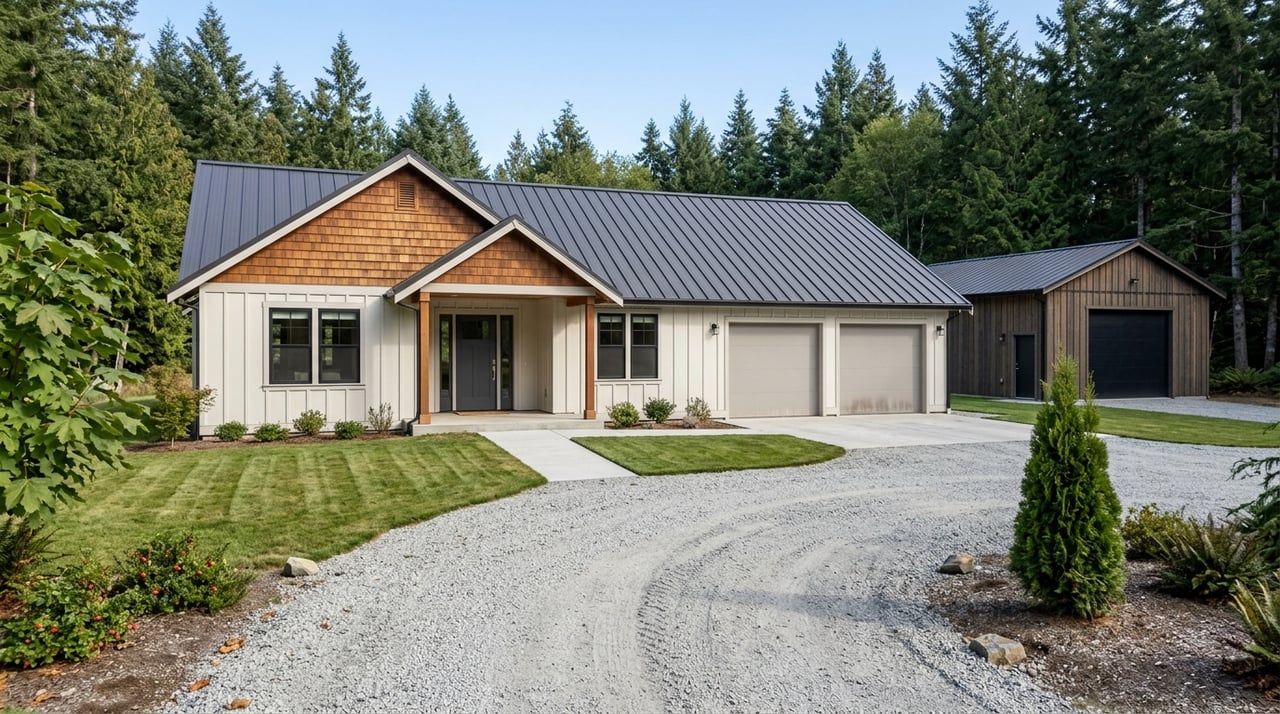
Getting Black Creek And Merville Acreage Ready To Sell
June 11, 2026
June 11, 2026
Selling an acreage in Black Creek or Merville is not quite the same as selling a standard detached home. Buyers are not only looking at your house. They are also trying to understand the land, the services, the outbuildings, and what the property is actually allowed to do. If you want a smoother sale in V9J, the goal is to make your acreage easier to evaluate, easier to trust, and easier to picture as someone’s next move. Let’s dive in.
In Black Creek and Merville, rural land use is shaped by the Comox Valley Regional District Electoral Area C rules, along with Agricultural Land Reserve rules where they apply. That means buyers often want answers about both lifestyle and legality before they feel ready to write an offer.
Your listing is really three products in one: the home, the land, and the paperwork. On V9J acreages, buyers commonly focus on usable land, access, water, septic, outbuildings, and whether the property may support uses like hobby farming or home-based activity without unexpected issues.
That matters even more because rural properties are not typically judged the same way as standard suburban homes. VIREB separates acreage and waterfront from standard single-family reporting, which is a helpful reminder that the right comparable sales for your property should come from the rural market, not just from detached homes nearby.
If your property is in the ALR, agriculture is the priority use. Some farm and non-farm activities may be permitted, but that does not mean every idea is automatically allowed or unrestricted.
This is especially important if you plan to mention hobby-farm potential, equestrian use, farm retail, agri-tourism, pet kennels, or home-based business potential. Depending on zoning and ALR status, these uses may be possible, but they can still come with conditions and local limits.
Subdivision is another area where sellers need to be careful. In the ALR, subdivision is not automatic, and many proposals require Agricultural Land Commission approval. If buyers ask about splitting the property, it is better to provide clear facts than broad assumptions.
On an acreage, presentation goes far beyond the front entry. Buyers want to quickly understand how the property works, where they would park, how they would access outbuildings, and whether the land feels manageable and well cared for.
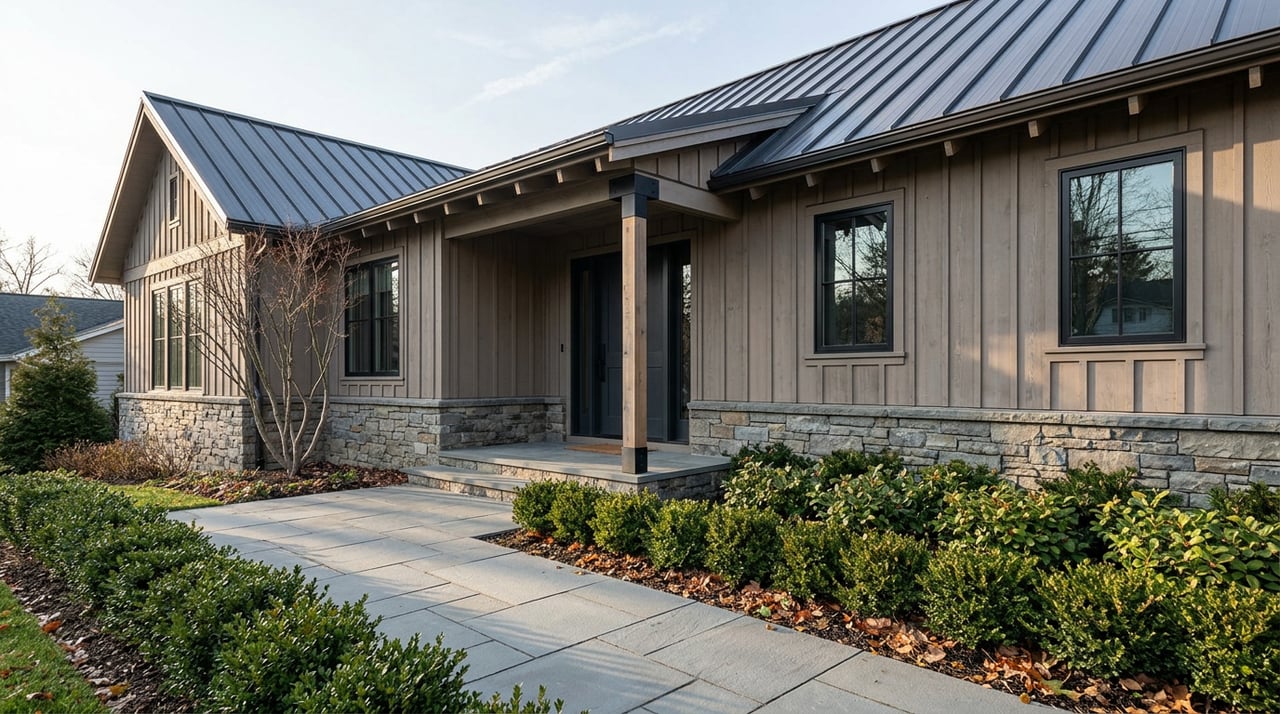
That means your version of curb appeal may include a clean driveway, defined field edges, tidy fence lines, trimmed vegetation, and drainage areas that look maintained. When the land feels organized, the whole property feels easier to understand.
Outbuildings matter too. A barn, shop, shed, or detached garage should feel like an asset, not a question mark. If a structure is useful, make that usefulness visible through access, cleanliness, and simple organization.
FireSmart guidance is especially useful for rural properties on Vancouver Island. The basic idea is simple: start closest to the home and reduce the materials and conditions that can help embers ignite.
For sellers, practical steps can include cleaning the roof and gutters, creating a 1.5-metre non-combustible zone near the home, removing firewood stacked against structures, and keeping access visible around decks, walkways, and fences. These tasks improve safety and also help your property show as cared for.
If you have sheds or outbuildings within 10 metres of the home, give them the same attention. Buyers notice when the whole property has been prepared thoughtfully, not just the main house.
If your acreage is on a local water service, current watering restrictions can affect how the property looks at photo time and showing time. The CVRD notes that water metering is mandatory in local water service areas, and its current page shows Stage 2 watering rules for Black Creek and Oyster Bay.
That does not mean your property cannot show well. It means timing matters. If lawns, gardens, or landscaped areas are part of the first impression, it helps to plan your listing prep around the current water rules so the property looks as polished as possible within those limits.
If your property has a private well, one of the best things you can do is gather your records before you list. The Province of British Columbia says sellers should be ready to share the well record, water quality test results, pumping or flow test results, and details about any closed wells.
If a water licence is attached to the property, buyers should also receive the licence and any recent invoice showing annual rentals or outstanding charges. That is important because the licence and associated fees transfer with the property.
For many rural buyers, water information is not a small detail. It is a major part of their comfort level. A recent water test can be especially helpful because Island Health says independent well owners and other private water-supply owners are responsible for potable water and can submit samples to independent labs for analysis.
Septic documentation is another major part of acreage preparation. If the home is not connected to municipal sewage, Island Health says it needs a compliant sewerage system, and owners should retain an Authorized Person for construction, alteration, or repair.
Buyers often want to know when the system was installed, whether it has been maintained, and what records exist. Island Health notes that systems should have a maintenance plan, a Letter of Certification after construction, and complete maintenance records. For a sale, a performance inspection report is typically the most relevant review document.
Records are more likely to exist for systems from 2005 onward and for many systems built between 1990 and 2005. If records are missing, Island Health can provide sewerage records for a fee. Taking the time to request those records before listing can help reduce delays later.
On rural properties, permit questions come up often. The CVRD says building or plumbing permits may be required to construct, alter, repair, or demolish structures in the electoral areas, and extra planning approvals such as variances or development permits can also affect timing.
The CVRD also notes that a building permit is required unless work is exempt, including for a structure greater than 10 square metres. If you added a shop, studio, shed, carport, or other structure over the years, now is the time to confirm what paperwork you have.
In some cases, a survey certificate may also be needed when setbacks or height compliance are close to the limit or hard to verify. This is one of those details that can become stressful during negotiations if it is left too late.
In British Columbia, the Property Disclosure Statement is commonly used, but there is no prescribed form. The BC Financial Services Authority says known material latent defects must be disclosed in writing, separately from the contract.
For acreage sellers, that can include issues such as water problems, septic concerns, drainage problems, or unauthorized additions that a buyer may not discover during an ordinary inspection. Clear disclosure builds trust and helps buyers make informed decisions.
This is not about making your property look worse. It is about reducing uncertainty. On a rural sale, uncertainty is often what slows buyers down.
Current VIREB reporting suggests a market that is active but selective. In spring 2026, sales were slightly down year over year, active listings were up modestly, and the Comox Valley benchmark single-family price reached $869,800 in April 2026, up 1% from the prior year.
VIREB also noted that some buyers were taking a cautious approach and waiting for timing that felt right. For acreage sellers, that means presentation and pricing need to work together. Buyers are comparing more carefully, asking more questions, and doing more due diligence.
The strongest pricing strategy is usually based on rural comparable sales and documented condition, not just lot size. A property with organized records for zoning, ALR status, well, septic, permits, and land use is easier to evaluate, and that can make your list price easier for buyers to understand.
When you step back, getting a Black Creek or Merville acreage ready to sell is really about clarity. You want buyers to walk away feeling that they understand the home, the land, the services, and the rules.
That might mean tidying the driveway, cleaning up fence lines, preparing a recent water test, requesting septic records, or confirming permit history for outbuildings. Small steps in advance can remove major questions later.
If you are preparing to sell in V9J, polished marketing is important, but clean documentation is just as valuable. When your acreage is well presented on the ground and well supported on paper, you give buyers more confidence from the start.
If you want calm guidance on preparing, pricing, and presenting your acreage in the Comox Valley, connect with Sophie Gardner for a personalized selling strategy.
Stay up to date on the latest real estate trends.
No matter your need, whether you are a first time home buyer, looking to sell, or a seasoned property investor, contact us to see how we can help with your goals.