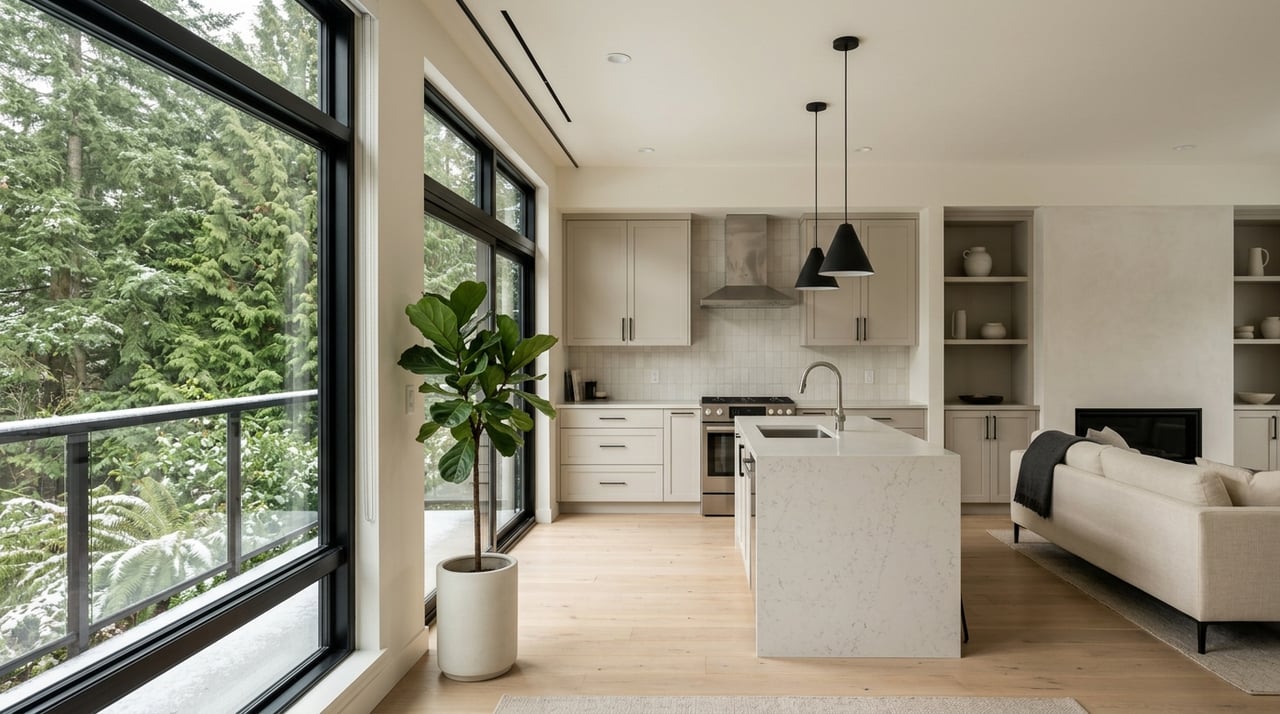
Choosing A Mount Washington Condo As Second Home Or Investment
June 18, 2026
June 18, 2026
Wondering whether a Mount Washington condo makes more sense as a personal getaway, a rental property, or a bit of both? You are not alone. Buyers are often drawn to the mountain lifestyle first, then realize the financial side depends on much more than a pretty view and ski access. This guide will help you think through condo types, rental flexibility, ownership costs, and key due diligence steps so you can make a more confident decision. Let’s dive in.
Mount Washington Alpine Resort is about 30 minutes north of the Comox Valley, which helps make it practical for both regular personal use and guest stays. The resort also notes access through Comox International Airport, which can make travel easier if you plan to visit often or host out-of-town guests.
Just as important, Mount Washington is positioned as a year-round recreation destination, not only a winter ski base. The resort says it offers 1,700 acres of ski terrain and receives about 9 metres of annual snowfall, while summer activities include a lift-accessed bike park, zipline, hiking, and other mountain recreation.
For you as a buyer, that matters because demand may come from more than one season. A condo here may appeal to winter skiers, summer riders, and people simply looking for a mountain escape.
Mount Washington is not a one-style condo market. Resort information describes a mix of condos, townhomes, chalets, and A-frame cabins, which gives the village more of a resort micro-market feel than a typical in-town condo development.
Current private resort listings also show a range of features that may affect value and usability. Depending on the unit, you might see ski-in/ski-out access, underground parking, hot tubs, full kitchens, in-suite laundry in some properties, and short-term rental registration numbers.
That variety is important when comparing opportunities. Two condos in the same resort area can have very different owner use, guest appeal, and carrying costs based on layout, amenities, parking, storage, and building rules.
For many buyers, the answer is somewhere in the middle. Mount Washington can work well for people who want personal mountain time but also want the option to offset ownership costs when they are not using the property.
If your main goal is lifestyle, you may care most about convenience and comfort. Ski-in/ski-out access, views, parking, storage, pet rules, and ease of getting up from the valley often matter more than squeezing out every dollar of income.
If your main goal is investment, the math becomes more detailed. You will likely focus on net income after strata fees, insurance, cleaning, taxes, management, and vacancy, along with how flexible the building and strata rules are.
Because Mount Washington sees both winter and summer activity, a hybrid strategy can make sense. Still, the best fit depends on the exact unit and strata, not just the resort name.
Mount Washington should be viewed as a seasonal asset with year-round use. Winter programming includes alpine skiing, night skiing, tubing, Nordic skiing, snowshoeing, and fat biking, while summer includes biking, zipline activities, hiking, and more.
That broader activity base can support guest interest across multiple parts of the year. At the same time, rental income will not always be steady month to month, which is why it helps to think in terms of high-demand periods, shoulder seasons, and personal-use windows.
Private listings on the resort site also show that nightly rates can vary by weekday, weekend, holiday periods, and summer dates. Some listings show minimum stays of two or three nights and separate cleaning fees, and one notes rates inclusive of PST and GST.
The takeaway is simple: gross rental income is not the same as net income. A unit may look attractive on a nightly-rate basis, but your real performance depends on costs, occupancy patterns, and the rules tied to that specific property.
Before you buy with rental plans in mind, make sure you understand the rules that apply. In British Columbia, a short-term rental is accommodation provided for less than 90 consecutive days.
Mount Washington Alpine Resort is specifically listed as a private resort area that is exempt from the province’s principal residence requirement for short-term rentals. Province guidance also states that land within mountain resort boundaries is exempt from that rule.
Even with that exemption, there are still compliance steps. As of May 1, 2025, short-term rental hosts must register with the provincial registry and display registration numbers on listings.
Just as important, local rules and strata bylaws can be more restrictive than the provincial minimum. A strata can restrict or ban short-term rentals altogether, so you should never assume one building works the same way as another.
Some resort listings also show no-pet policies, minimum-stay requirements, and owner-managed booking arrangements. That is why it is smart to verify the exact strata lot, building rules, and operating setup before making an offer.
The purchase price is only part of the picture. In many resort condos, strata fees are one of the biggest ongoing costs after your mortgage.
According to the Province of British Columbia, strata fees help pay for shared expenses such as insurance, gardening, cleaning, snow removal, repair, and maintenance. The province also notes that the contingency reserve fund must receive at least 10% of the operating-fund budget when the annual budget is approved.
Even so, special levies can still happen for major repairs or replacements. That means a lower-priced condo is not always the lower-cost option over time.
You will also need your own condo insurance. Provincial guidance says owner policies can cover contents, personal liability, additional living expenses after an insured loss, improvements, and strata deductibles.
That last point matters because deductible exposure can be very large. If you plan to use the condo as an investment, it helps to evaluate it like an operating asset, not just a vacation property.
Strong due diligence can save you from expensive surprises. Before writing an offer, there are several documents that can give you a clearer picture of the unit and the strata.
The Province of British Columbia says the Form B information certificate is commonly requested by buyers. It can disclose monthly strata fees, special levies, the contingency reserve fund balance, parking and storage details, the insurance summary, and attached records such as the budget and depreciation report.
Here are the key items to request and review:
These documents can help you compare one condo to another on more than appearance alone. They also make it easier to spot restrictions, future costs, or operational issues that could affect your plans.
If you are buying for personal use, think about how you actually want to spend time on the mountain. A great second home should feel easy to use, easy to maintain, and well matched to your routine.
Features many second-home buyers prioritize include:
If you are buying primarily as an investment, your checklist may look a little different. In that case, focus more closely on rental flexibility, building rules, cost structure, and how appealing the unit will be to short-stay guests across different seasons.
A Mount Washington condo can be a smart fit if you want lifestyle value with the possibility of rental income. It can also be a useful investment property if you choose carefully and run the numbers with realistic assumptions.
The key is to avoid treating every resort condo as interchangeable. At Mount Washington, building rules, fees, insurance needs, rental setup, and unit features can vary enough to change the entire outcome.
If you are weighing a second home against an investment purchase, start with your real priorities. Decide how much personal use you want, how hands-on you are willing to be, and what level of carrying cost feels comfortable year-round.
A clear plan upfront usually leads to a better purchase decision and fewer surprises later. If you are exploring Mount Washington or other Vancouver Island recreational property options, Sophie Gardner can help you compare opportunities with calm, local guidance.
Stay up to date on the latest real estate trends.
No matter your need, whether you are a first time home buyer, looking to sell, or a seasoned property investor, contact us to see how we can help with your goals.