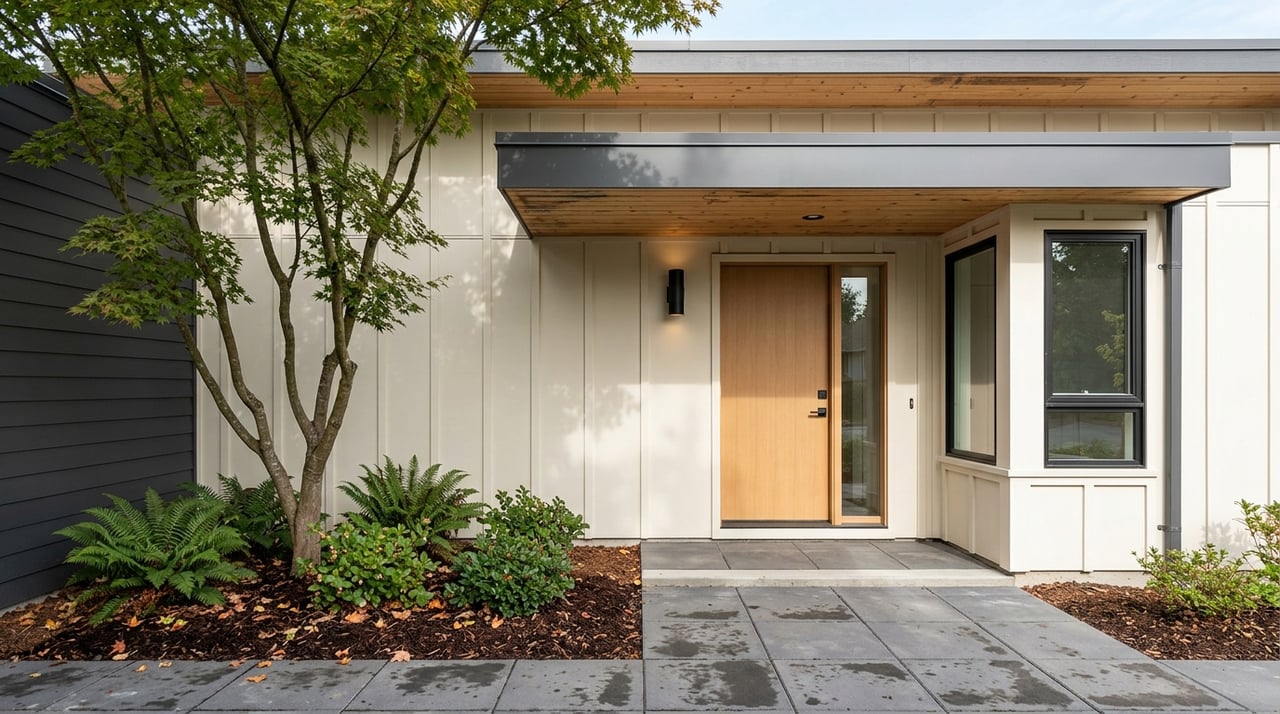
Downsizing In North Campbell River: Low-Maintenance Home Options
July 2, 2026
July 2, 2026
If keeping up with a larger home is starting to feel like more work than it is worth, you are not alone. Downsizing in North Campbell River can be a smart way to simplify daily life, lower upkeep, and choose a home that fits how you live now. The key is knowing which housing options match your budget, mobility needs, and preferred level of maintenance. Let’s dive in.
North Campbell River is not one uniform residential area. The City of Campbell River describes it as a mixed-use neighbourhood with residential pockets, commercial space along Highway 19, industrial uses, ALR land, and some brownfield areas.
That matters when you start your search. Instead of assuming the whole area offers the same lifestyle, you will want to focus on the specific pocket, street, and home type that best supports low-maintenance living.
The area does offer some practical location benefits. According to the city’s livability assessment, 95% of dwellings are within 800 metres of a bus stop, and 78% are within 1,000 metres of usable park space.
At the same time, the same assessment notes limited sidewalk connections, poor street lighting in some residential areas, and bus stops that often lack benches or shelters. For that reason, it is worth looking closely at the immediate block rather than relying on the neighbourhood name alone.
If your goal is to reduce chores, future-proof your lifestyle, or make day-to-day living easier, a few home types stand out in North Campbell River.
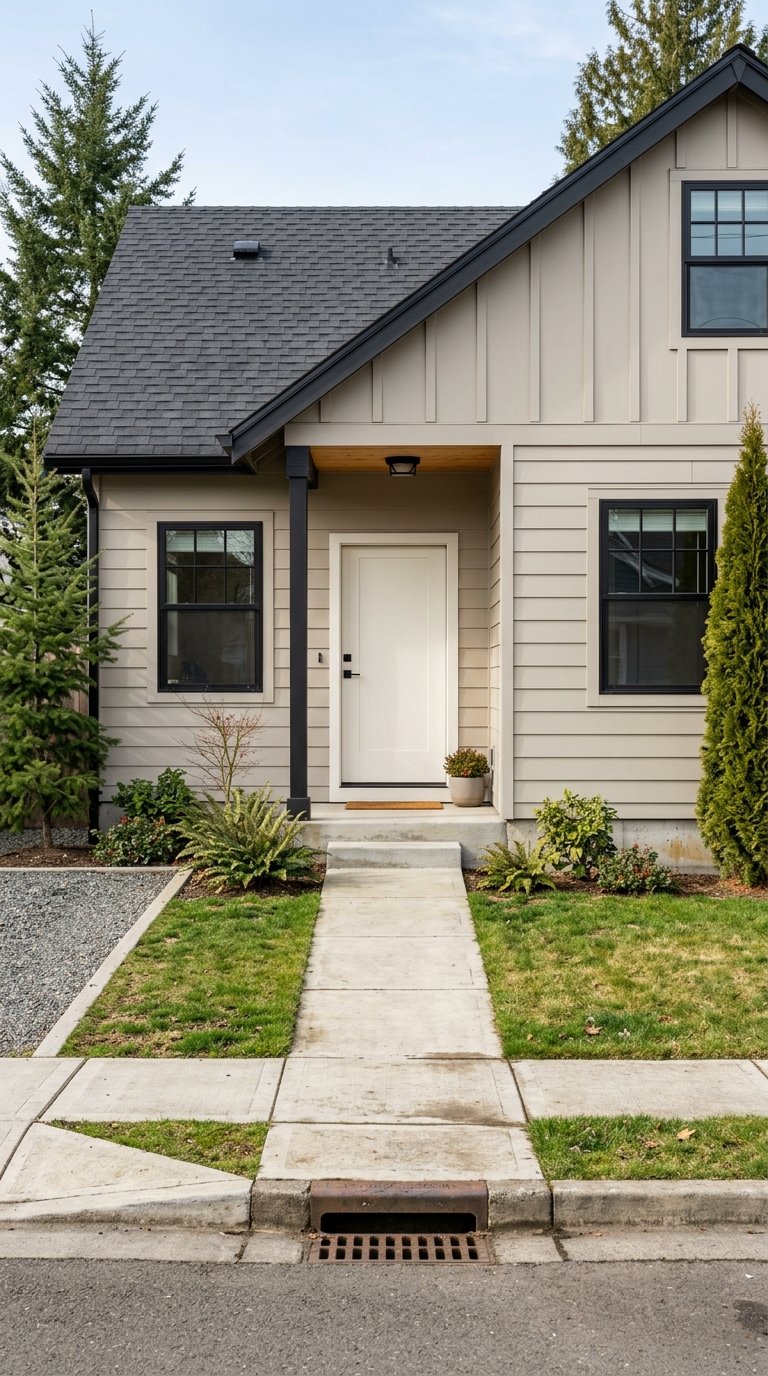
A rancher or other single-level home is often the most direct fit if stairs are a concern. You can keep the privacy and independence of a detached home while removing one of the biggest long-term barriers to comfort and safety.
This option can work well if you still want your own yard and driveway, but do not want a larger two-storey home. The tradeoff is that you still handle your own exterior maintenance, repairs, and landscaping.
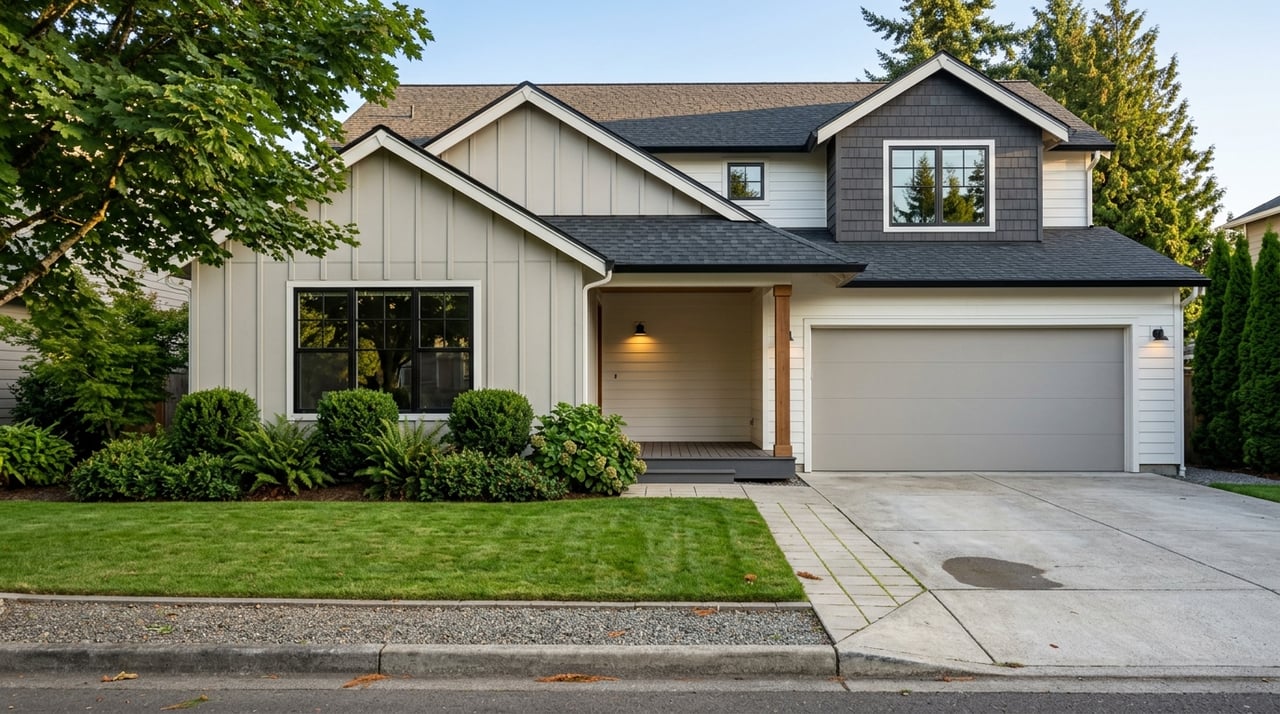
Smaller-lot homes can be a practical middle ground. You keep the feel of detached ownership, but with less yard work and usually less overall maintenance than a larger family property.
For many downsizers, this can feel like a better lifestyle match than jumping straight into strata living. In North Campbell River, though, these properties may appear only in certain residential pockets because the neighbourhood is mixed-use rather than fully residential.
If your top priority is reducing exterior work, condos and townhomes are often the clearest low-maintenance choice. In a strata, some exterior upkeep and common-area maintenance shift to the strata corporation rather than resting fully on you.
In British Columbia, strata fees help fund the operating fund and contingency reserve fund. The province also requires strata corporations to repair and maintain common property, and strata corporations with five or more strata lots must obtain a depreciation report every five years.
That structure can make maintenance more predictable. It also means you need to look beyond the asking price and understand the monthly fees, reserve planning, insurance costs, and overall financial health of the strata.
If you are planning ahead, newer multi-unit homes may offer useful accessibility features. Under BC’s 2024 Building Code, certain new multi-unit buildings must include adaptable dwelling-unit features, and at least one in five units in applicable building types must be adaptable.
These features can include accessible clearances, accessible paths of travel, and reinforcement for future grab bars. For downsizers, that can mean lower renovation needs later and a home that is easier to live in through changing mobility needs.
Low maintenance is only part of the equation. A home can be easy to care for but still difficult to live in if the layout creates friction every day.
When you tour homes, focus on features that support comfort now and flexibility later. Even if mobility is not a concern today, the right layout can make recovery from an injury, surgery, or illness much easier.
Look for these practical details:
A home does not need to be labeled “accessible” to be a strong fit. Often, the smartest choice is a property with a simple layout that can adapt with you over time.
For downsizers, community fit is about more than the home itself. You also want to think about transportation, outdoor access, nearby services, and how easy it feels to move around your immediate area.
North Campbell River has some helpful strengths. The city’s assessment points to solid bus-stop coverage and good access to park space in many areas.
Still, conditions can vary from street to street. Limited sidewalks, weak street lighting in some residential areas, and bus-stop comfort issues mean one block may feel much more convenient than another.
As you compare options, it helps to ask:
Many downsizers focus first on sale price, but the monthly carrying cost is often the more important number. A lower-priced home is not always the lower-stress option if it comes with unpredictable repairs or heavy upkeep.
Here is the practical difference between common home types.
| Home type | Typical maintenance pattern | Cost considerations |
|---|---|---|
| Single-level detached home | You manage repairs, yard work, and exterior upkeep | Fewer shared fees, but more direct owner-paid maintenance |
| Smaller-lot detached home | Similar to detached, but usually less yard and exterior work | Lower upkeep than a large lot, but still owner-managed |
| Condo or townhome | Strata manages common property and some exterior work | Monthly strata fees, reserve funding, and shared costs matter |
| New adaptable unit | Often lower near-term maintenance, depending on building type | May offer future savings by reducing retrofit needs |
For market context, VIREB reported in May 2026 that Campbell River’s benchmark single-family home price was $681,600. Board-wide benchmarks were $553,200 for townhouses and $407,700 for apartment condos.
Those attached-home figures are board-wide, not specific to North Campbell River, so they are best used as general price context rather than exact neighbourhood pricing. Still, they help show the typical spread between detached and attached housing forms.
If you are considering a condo or townhome, document review is a major part of the process. It is not just paperwork. It is one of the best ways to understand what your ownership experience may actually look like.
In BC, buyers can obtain important strata information such as Form B, minutes, and financial records through the strata council or manager. The province also notes that the land title office does not usually hold the latest bylaws or other current strata information.
A strong early review should include:
These documents can reveal whether fees seem sustainable, whether major work is being planned, and how the strata handles maintenance over time.
Sometimes the best downsizing plan is not moving right away. If you like your current location and the main problem is accessibility or upkeep, adapting your existing home may buy you more time and comfort.
The Province of British Columbia says the BC Rebate for Accessible Home Adaptations can provide up to $20,000 in rebates for eligible modifications that improve safety and accessibility. Depending on your home, that could help with changes that reduce stair barriers, improve bathroom safety, or address doorway challenges.
This can be a useful option if you are not ready to move yet, or if you want to improve your current home before deciding whether to list it later.
A good downsizing move is usually less about speed and more about sequence. When sale timing, financing, and possession dates are planned together, the process often feels much more manageable.
A simple roadmap can help:
Campbell River is also planning for future growth, with the city updating its Official Community Plan and directing more infill toward existing corridors and neighbourhood centres. For downsizers, that planning direction suggests low-maintenance housing types may continue to play an important role in the city’s future housing mix.
If you are thinking about downsizing in North Campbell River, the right move starts with a clear plan and local guidance. Whether you are comparing ranchers, townhomes, condos, or adaptable new builds, Sophie Gardner can help you sort through your options with calm, knowledgeable support.
Stay up to date on the latest real estate trends.


No matter your need, whether you are a first time home buyer, looking to sell, or a seasoned property investor, contact us to see how we can help with your goals.