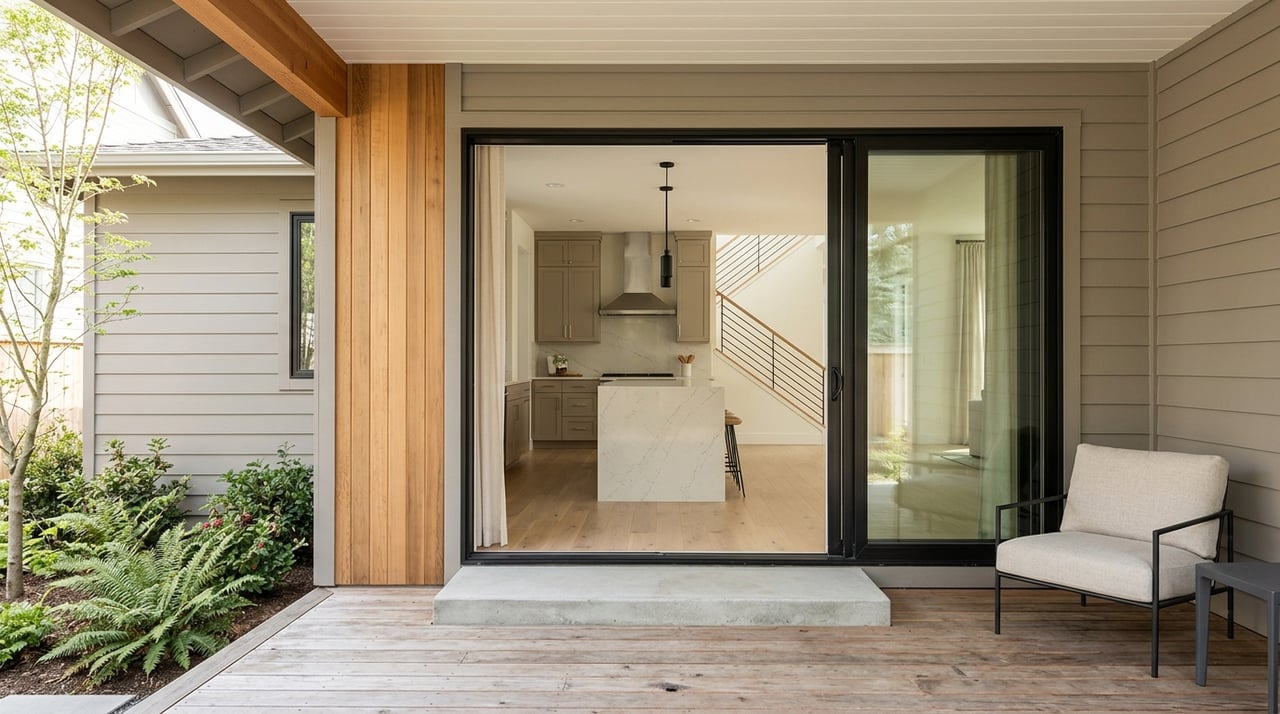
Is North Campbell River Right for First Time Buyers?
April 2, 2026
April 2, 2026
Buying your first home can feel like a lot, especially when you are trying to balance budget, location, and long-term fit. If North Campbell River is on your radar, you are probably wondering whether it offers the right mix of value, convenience, and future potential. This guide will walk you through what first-time buyers should know about North Campbell River, from how the area functions today to what to watch for before you write an offer. Let’s dive in.
North Campbell River is not a typical cookie-cutter neighbourhood. According to the City of Campbell River's livability assessment, the area includes residential streets, commercial uses, industrial parks, brownfields, Agricultural Land Reserve land, and agricultural farms.
That mix matters when you are buying your first home. It means you may see a wider range of home types, lot sizes, and surrounding land uses than you would in a more uniform subdivision. For some buyers, that variety creates more options. For others, it means you need to look carefully at each property and the block around it.
The same city report estimates North Campbell River has about 1,909 residents across roughly 4 square kilometres, with 883 properties and 69 vacant lots. It also identifies the area as a place with opportunities for affordable housing growth because of its location and existing servicing on adjacent properties.
If you are comparing North Campbell River to other options in the region, broad Campbell River pricing can be a helpful starting point. In VIREB's January 2026 stats package, Campbell River's single-family average sale price was $680,521 and the median was $615,000, compared with a board-wide average of $771,206 and median of $740,500.
That said, VIREB also cautions that average prices do not represent actual neighbourhood pricing. In other words, you should treat those numbers as market context, not as a direct price tag for North Campbell River.
For first-time buyers, the bigger takeaway is this: Campbell River may offer a more accessible entry point than some other Vancouver Island markets, and North Campbell River is an area the city has specifically linked to future affordable housing growth. If value and flexibility are high on your list, that makes the neighbourhood worth a closer look.
Your daily routine matters just as much as the purchase price. North Campbell River offers practical access, but it is important to go in with realistic expectations.
The city's livability assessment notes about 2.5 kilometres of trails, 2.4 kilometres of sidewalks, 6 kilometres of bicycle routes, and bus route #4 serving the neighbourhood. At the same time, the report says sidewalks and trails are not located near residential areas and that connections can be poor.
For many first-time buyers, that means a car may play a bigger role in daily life. If you want a highly walkable, more urban setup, you may find central Campbell River a better fit. If you are comfortable driving more often, North Campbell River may still work well.
There is also a practical upside. The city notes that the north end's east and west sides have convenient or direct vehicular access to Highway 19, which can help with commuting and getting around the wider area.
North Campbell River has fewer amenities than denser parts of the city, so your experience can vary depending on exactly where you buy. City planning documents describe village centres in North Campbell River as intended walkable nodes with retail, services, and transit connections, with amenities estimated to be within roughly 400 to 1000 metres of those nodes in some cases.
That tells you two things. First, some pockets may feel more connected than others. Second, proximity to services is something you should evaluate property by property rather than assuming the whole neighbourhood functions the same way.
When you tour homes, take a few extra minutes to drive the surrounding area. Check how far everyday stops feel in real life, not just on a map. For a first home, convenience can shape your satisfaction more than square footage alone.
If you are thinking about buying your first home, you are not just buying for today. You are also buying into a neighbourhood's likely direction over time.
Campbell River's Official Community Plan guides long-term land use and growth decisions. The city says the OCP provides a 50-year vision for housing, infrastructure, transportation, and amenities. It has also shared that the OCP update is underway, with Campbell River expected to grow from around 35,000 residents to about 42,000 over the next 20 years.
Within North Campbell River, the livability assessment says future neighbourhood growth is planned in the southeast part of the area. It also ranks North Campbell River as an expansion area with existing servicing and affordable housing opportunities.
Nearby planning work may also affect the wider north side over time. The city's Master Transportation Plan engagement page includes the Quinsam Heights Transportation and Growth Study, focused on Petersen Road and possible future road-capacity options.
None of that guarantees a specific construction timeline. But it does suggest North Campbell River is an area where change is possible, especially where new housing and infrastructure can build on existing services.
Because North Campbell River includes mixed land uses and varied property types, due diligence matters. A home that looks great online may feel very different once you inspect the location, nearby uses, and access in person.
According to the BCFSA's home search guidance, buyers should review items like zoning, restrictive covenants, easements, taxes, warranties, included chattels, available services, roof condition, leaks, dry rot, renovation permits, heating type, insulation, ventilation, foundation settlement, and radon.
For this neighbourhood, it is especially smart to visit at different times of day. Morning traffic, evening noise, nearby commercial activity, and general access can all affect how a property feels once you are living there.
First-time buyers are often drawn to homes that look move-in ready, but cosmetic updates do not always tell the full story. If you are looking at an older home or one that has been renovated, focus on the major systems.
The BCFSA notes that a home inspection is visual and may not uncover every hidden defect. It specifically highlights roof age and leaks, electrical wiring, permit history, gas fireplace or hot tub installations, heating systems, crawlspace or attic issues, and foundation cracks.
If a seller has completed renovations, ask whether the appropriate permits were pulled for building, electrical, or gas work. That step can help you avoid surprises after closing.
One of the best things you can do before touring homes is get clear on your real budget, not just your hoped-for budget. The BCFSA recommends speaking with a licensed mortgage broker or lender to get pre-approved and understand the full cost of buying.
Its buyer readiness guide says you should account for your down payment, legal fees, appraisal costs, inspection costs, taxes, property insurance, and strata fees if applicable. It also notes that mortgages with less than 20 percent down usually require mortgage insurance.
This step is especially helpful in a neighbourhood where property types and lot sizes can vary. Your monthly costs may look very different depending on what you choose.
If you qualify, BC's first-time home buyers' program may reduce your property transfer tax. According to the province's first-time home buyers exemption page, eligible buyers can receive a full exemption on the first $500,000 of the purchase price if the home will be their principal residence and they meet citizenship, residency, and ownership-history requirements.
The property must have a fair market value of $835,000 or less, be 0.5 hectares or smaller, and contain only residential improvements. Partial exemptions may apply up to $860,000.
This is important in North Campbell River because some properties may sit on larger lots or include land characteristics that change eligibility. If you are considering a vacant lot or land to build later, the province notes that some new-build scenarios may also qualify, but the land value plus build cost must stay within the threshold and occupancy rules apply.
When you find the right home, your offer should protect you while still keeping the deal competitive. The right approach depends on the property, the market conditions, and your comfort with risk.
The BCFSA explains that a seller does not have to accept an offer with an inspection subject clause, and waiving inspection can make an offer more attractive while increasing your risk. It also notes that buyers in most residential transactions have a three-business-day rescission period, which begins the next full business day after acceptance, runs at the same time as subject conditions, and requires a fee of 0.25 percent of the purchase price if you rescind.
For first-time buyers, the goal is not to rush. It is to understand what protections you want in place and what tradeoffs you are making.
North Campbell River can make sense if you want entry-level options, practical highway access, and a neighbourhood with room to evolve over time. It may be especially appealing if you are open to a range of property types and do not need a highly walkable urban setting.
It may be less ideal if your top priority is having sidewalks, trails, and a concentration of amenities right outside your door. The area's uneven connectivity and mixed land uses mean that one street can feel quite different from another.
That is why local guidance matters. If you are buying your first home, you want someone who can help you compare not just listings, but the day-to-day reality behind them. If you are ready to explore North Campbell River with a calm, informed plan, connect with Sophie Gardner for thoughtful local guidance.
Stay up to date on the latest real estate trends.


No matter your need, whether you are a first time home buyer, looking to sell, or a seasoned property investor, contact us to see how we can help with your goals.