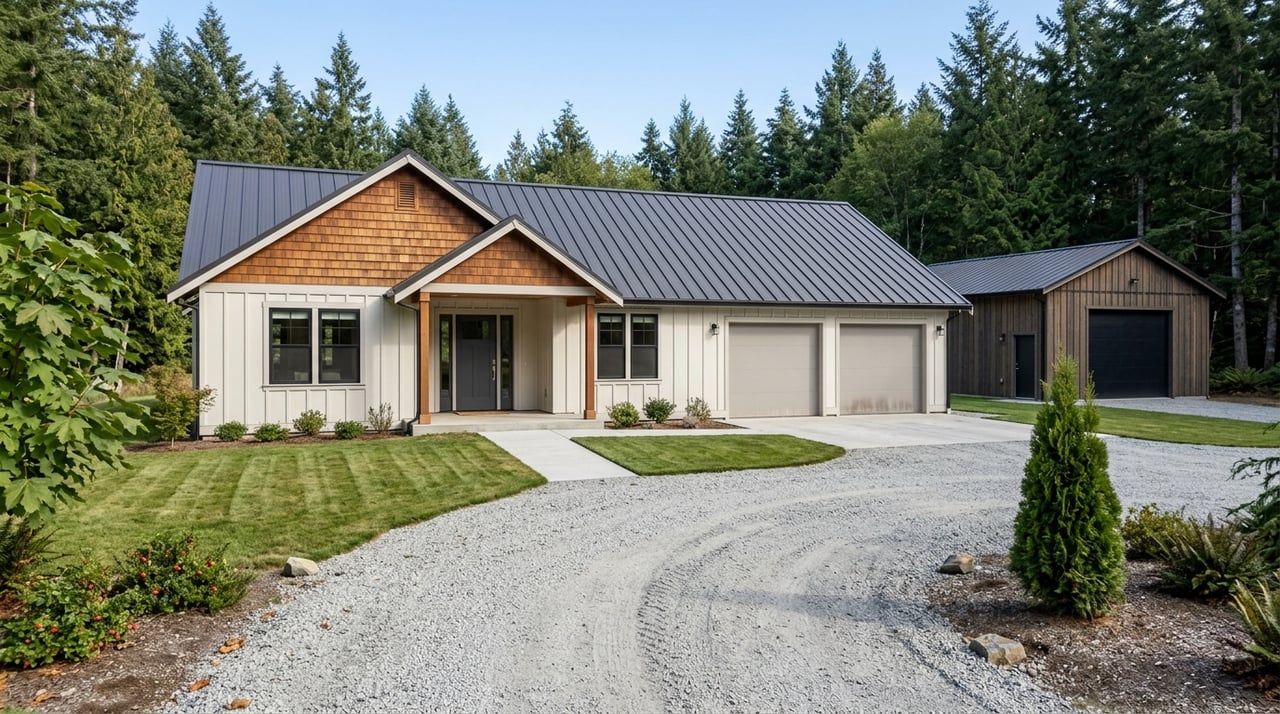
Dreaming of more space, privacy and room to grow in Black Creek or Merville? Buying acreage in V9J is exciting, but rural properties work differently from city lots. With zoning rules, ALR limits, wells and septic systems, there’s more to check before you write an offer. Use this local checklist to move from daydreaming to due diligence so you can buy with confidence. Let’s dive in.
Start with zoning and ALR status
Before you picture the house, shop or barn, confirm what’s actually allowed on the land.
Confirm the zone with CVRD
Black Creek and Merville sit in the Comox Valley Regional District’s Electoral Area C (Puntledge–Black Creek). Planning and zoning for most acreages here are managed by the CVRD. Start by confirming the parcel’s zone and any development permit areas:
- Review the Electoral Area C overview to understand local governance and services. The page sets the context for rural planning in this area.
- Pull the exact zone from CVRD iMap and read the rules in the Rural Comox Valley Zoning Bylaw No. 520. Do not assume a listing’s “buildable” area matches what zoning permits.
Learn more on the CVRD’s Electoral Area C page and the Rural Comox Valley Zoning Bylaw No. 520.
CVRD: Electoral Area C (Puntledge–Black Creek)
CVRD: Rural Comox Valley Zoning Bylaw No. 520
Check ALR status and housing rules
Many V9J acreages are in the Agricultural Land Reserve (ALR). ALR rules can limit non-farm uses, subdivision and the size or type of residential buildings.
- Verify ALR status using CVRD iMap or ALC tools and read the ALC’s “Living in the ALR” guidance for housing options, including when a small secondary home may be possible. Local zoning still applies, so both sets of rules must align.
- If you plan non-farm commercial uses, additional residences, or subdivision, expect to need ALC approval.
ALC: Living in the ALR (housing and uses)
Subdivision or rezoning timelines
If you’re considering a land split, density change, or a use that needs a variance, build in time for the CVRD process. Many applications include a pre-application meeting, referrals and public input.
CVRD: Planning Applications (process and contacts)
Verify water: wells or community service
Your water source affects daily living, irrigation and livestock plans. Treat well due diligence as essential.
- Ask for the well log, recent pump test, and lab results for bacteria and chemistry. If missing or old, plan to do a fresh pump test and full lab panel before you remove conditions.
- Confirm if the well is shared by easement and whether there are maintenance records or service invoices.
- If drilling or upgrading, hire a registered well driller or a hydrogeologist. BC’s Groundwater Protection Regulation sets standards for well construction and pump installation.
- In some pockets, a property may connect to a CVRD water service. Ask CVRD Water Services if the parcel is inside a service area and whether connection or capital charges apply.
BC Groundwater Protection Regulation (GWPR)
Assess the septic system
Most acreages use onsite sewerage. A healthy, compliant system protects your investment and the environment.
- Request the Letter of Certification (LOC), as-built plan, and maintenance history from the seller.
- If records are missing or the system is older, book a performance inspection with an Authorized Person or Registered Onsite Wastewater Practitioner (ROWP). Ask for a sketch showing a potential replacement area and a cost range if a new system is needed.
- New or altered systems must be designed and filed by an Authorized Person. Do not occupy or use a new system until the LOC is filed with Island Health.
Island Health: Sewerage & Subdivision (requirements and records)
Plan access, utilities and fire protection
Long rural driveways, power runs and service areas can affect cost and insurance.
- Access: If a driveway connects to the Island Highway, confirm whether a provincial approach permit exists and whether changes will require new approval.
- Power and internet: Contact BC Hydro about service availability or upgrades. Check wired internet options or plan for satellite if you’re farther off the main roads.
- Fire service: Confirm the property’s fire protection service area with CVRD. If outside a service area, speak with your insurer about any mitigation requirements.
Outbuildings and farm structures
Shops, barns and greenhouses often have different rules in the ALR than non-farm accessory buildings.
- For bona fide farm use, the ALC provides guidance on necessary farm structures.
- CVRD zoning sets setbacks, height and lot coverage. Always verify siting and use before you build.
ALC: Policies and Bulletins (farm structures and guidance)
Environmental and heritage checks
Some sites near rivers, creeks, wetlands or slopes may need development permits or specialized studies.
- Floodplain and riparian: CVRD enforces a Floodplain Management Bylaw and Development Permit Areas for watercourses and environmentally sensitive areas. Ask a surveyor to map topography and water features against the CVRD overlays.
- Archaeology and cultural heritage: The K’ómoks First Nation Cultural Heritage Investigation Permit (CHIP) process may apply near water or known cultural sites. Ask CVRD Planning about CHIP triggers for your parcel.
For process steps and contacts, start with CVRD Planning Applications.
CVRD: Planning Applications (process and contacts)
Who to hire for a smooth purchase
Build a reliable team early so you can move fast when the right acreage hits the market.
- Real estate lawyer for title review, easements, covenants and ALR decisions.
- Surveyor to confirm boundaries, building envelopes and access.
- Registered well driller or hydrogeologist for tests and well advice.
- Authorized Person or ROWP for septic inspections and design.
- Building inspector for structures; arborist if tree work is planned.
- Environmental or geotechnical consultant if the site is near water, has steep slopes or shows potential hazards.
- ALC specialist if you expect to apply for non-farm use, additional dwellings or subdivision in the ALR.
Typical V9J timelines to expect
Every property is unique, but these ranges help you plan and budget:
- Pre-offer checks: title pull, septic records request, seller well tests, site walk — 1 to 4 weeks.
- CVRD pre-application meeting for rezoning, subdivision or development permits — 2 to 6 weeks.
- Septic design and filings for new or replacement systems — 4 to 12 weeks.
- Well testing or remedial work — 1 to 6 weeks, longer if drilling is needed.
- Rezoning or variances — often 3 to 6 months depending on referrals and public hearings.
- ALC applications — timelines vary; simple cases may resolve in a few months while complex files can take longer.
- Building permit and construction — months for a modest home or shop; larger or phased projects take more time.
A practical buffer is 6 to 18 months for a modest plan involving septic, well and a new building. Add more time if ALC approval or rezoning is part of your path.
Offer-stage checklist
Make your offer strong and protected with focused conditions. Ask the seller for:
- Title search and copies of covenants, easements and charges; have your lawyer review.
- Proof of ALR status and any ALC approvals on file, if applicable.
- Well log, recent pump test and current lab results, or time for you to complete them.
- Septic LOC, as-built, pump-out receipts and maintenance records, plus your own AP/ROWP inspection.
- Confirmation of legal road access and any highway approach permit.
- Building permit history for recent work, including outbuildings used for farm production or accommodation.
Your next steps
If you’re ready to explore acreage in Black Creek or Merville, we’re here to guide you through each checkpoint, line up the right professionals and structure a smart offer. Reach out to the Sophie Gardner Home Team for calm, local expertise and a clear plan from first showing to closing.
Connect with Sophie Gardner to start your acreage search.
FAQs
What is the ALR and how does it affect V9J acreages?
- The Agricultural Land Reserve is a provincial land designation that prioritizes agriculture and restricts non-farm uses; in V9J it can limit subdivision and may shape home size, secondary dwellings and commercial activities.
How do I verify if a Black Creek property is in the ALR?
- Ask your agent to check CVRD iMap and ALC resources, then confirm with title and the ALC’s guidance; treat ALR status as a key condition before you remove subjects.
What well documents should I request before buying in Merville?
- Request the well log, recent pump test showing flow rate and drawdown, current lab results for bacteria and chemistry, pump specs and any maintenance or service invoices.
Who can inspect or approve a septic system on a rural property?
- In this area, an Authorized Person or Registered Onsite Wastewater Practitioner must design, file, and certify onsite sewerage systems; they also perform buyer inspections and provide replacement-area sketches.
Do I need permits to change a driveway onto the Island Highway?
- Yes, new or altered access to a provincial highway typically requires approval; confirm if an existing approach permit is on file and speak with the relevant authority before you plan changes.
How long does rezoning or an ALC application usually take in the Comox Valley?
- Rezoning often takes 3 to 6 months, while ALC timelines vary by complexity; simple files may resolve in a few months, but complex or contested cases can take longer.