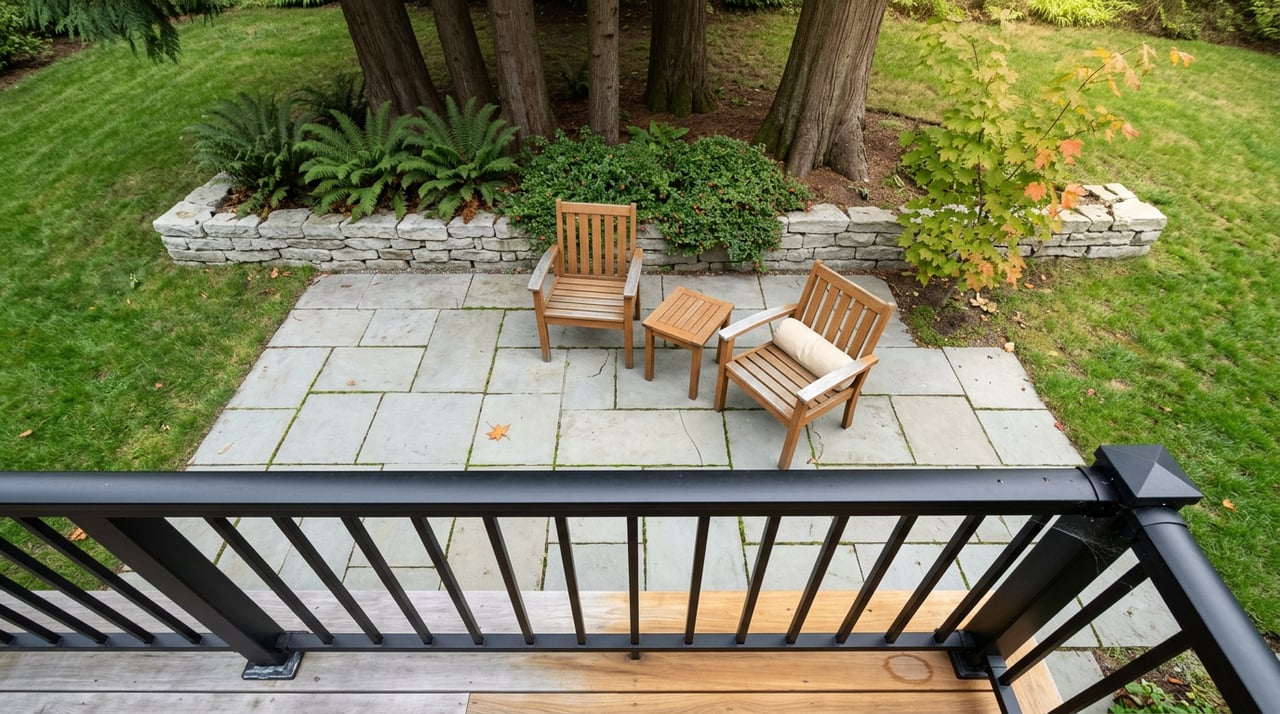
When to Catch the Ripple Rock Fall Salmon Run
August 27, 2026
August 27, 2026
From the bluff at Wilfred Point, Seymour Narrows can look like two entirely different bodies of water depending on when you show up. Walk out on a slack tide and it's glass, calm enough that you'd swear nothing moves through here faster than a kayak. Come back four hours later and the same stretch is a churn of standing waves and whirlpools, water shouldering past at a pace that makes cruise ships look like they're being pulled on a string. Most people who hike the Ripple Rock Trail see one version or the other and assume that's just what the Narrows does. It's actually running on a schedule, and that schedule has almost nothing to do with the other thing happening in the same water this time of year.
Late August into September is when those two schedules briefly line up, which makes this one of the more useful weeks of the year to actually understand both of them instead of just showing up and hoping.
The Ripple Rock Trail sits about 17 kilometers north of downtown Campbell River off Highway 19, an 8 kilometer round trip through mossy second growth to a cliffside lookout over the Narrows, with an earlier viewpoint over Menzies Bay along the way. Most visitors treat it as a single destination: hike in, look at the water, hike out. But the water is governed by a tide clock that changes by the hour, and underneath it, right now, is a second clock entirely, the fall salmon migration moving through Discovery Passage on its own weeks-long timetable. Neither clock cares about the other, and neither cares what day you decided to drive up.
The Narrows earned its name honestly. Before 1958, twin underwater peaks sat as shallow as about 9 feet below the surface at low tide, funneling the current into whirlpools that wrecked at least 114 vessels going back to the 1800s. On April 5 of that year, engineers detonated roughly 1,375 tonnes of explosive packed into tunnels bored under the rock, in what remains the largest planned non-nuclear explosion on record, launching an estimated 635,000 tonnes of rock and water into the air and dropping the peaks to a safer 45 feet down. The explosion solved the shipwreck problem. It did nothing to the current itself, which still runs up to 16 knots at peak flow, fast enough that local sportfishing charters plan their crossings around slack water rather than fight it.
That current is the first clock, and it moves fast in both directions. Slack tide is the short window when the flow stalls before reversing. Peak current, the whitewater version most photos of the Narrows are taken during, follows later the same day, and the exact timing shifts from one day to the next rather than repeating on a fixed schedule. There's no shortcut around checking the actual tide table for Seymour Narrows for the day you're going. Show up expecting drama during a slack window and you'll get calm water and a nice walk. Show up during a heavy exchange without expecting it and you'll understand why charter captains build their whole route around this stretch.
If you want the dramatic version, the standing waves and whirlpools that made this place famous, aim for a day with a large tidal exchange and arrive during peak flow, not slack. If you'd rather see what's moving underneath the surface, slack water is your window, calm enough to actually watch the water instead of just the surface chop.
The second clock is slower and less visible from the trail, but it's the more interesting one this particular fall. Coho salmon start arriving in Discovery Passage in late July, building through August and peaking in September, with a second push of late-run fish still moving through in early October. Pink salmon peak on roughly the same September calendar, but Pinks run on a two-year cycle that swings hard between years, strong in odd years and noticeably weaker in even ones. 2025 was a strong Pink year. 2027 will be too. 2026 is the off year in between, which means the Pink numbers moving past the Narrows this September will be a fraction of what they were twelve months ago.
That's not a reason to skip the trip. It's a reason to reset expectations. This September belongs to Coho, not Pink, and if you're timing a hike around seeing fish rather than just water, that distinction matters more than which day of the week you pick.
| If you want... | Best tide window | Best salmon window this fall |
|---|---|---|
| Dramatic whitewater and whirlpools | Peak current, large exchange | Any day, tide-driven |
| Calm water for watching salmon activity | Slack tide | Late August through September (Coho) |
| Both in one visit | Slack tide right before a big exchange | September, targeting Coho over Pink |
Put those two clocks side by side and the useful window narrows fast. Coho numbers are still building as of late August, which means the fish are present but not yet at their September peak, and the Narrows current is doing what it does every single day regardless of the calendar. The stretch where both clocks are worth checking on the same trip runs from now through the end of September, after which Coho numbers taper and the Pink run, already light this year, thins out further.
None of this requires special access or a guide. It requires checking a tide table before you leave the house instead of after you're standing at the overlook wondering why the water looks nothing like the photo that got you out here.
Some days the tide table and your schedule won't cooperate, and that's fine. The Quinsam River Hatchery, about 5 kilometers west of downtown, runs self-guided viewing with returning salmon visible from late July through mid-November, tide or no tide. It's not the cliffside drama of Wilfred Point, but it's a guaranteed look at the same fish making the same run, without needing to build your afternoon around slack water.
There's a version of living here where Ripple Rock is just a trail you've already done, checked off, filed under things visitors ask about. There's another version where you know it well enough to know it's actually two shows running on two clocks, and that late August into September is the short stretch when checking both pays off. The trail hasn't changed. Knowing when to show up has.
If you've been in North Campbell River long enough to have your own opinion on when the Narrows put on the best show, we'd genuinely like to hear it. And if a longer conversation about this stretch of Vancouver Island, whether it's about the trail, the neighborhood, or eventually your own front door, ever makes sense, Sophie Gardner Home Team is local, easy to reach, and happy to talk through what your home might be worth whenever that question actually comes up.
Stay up to date on the latest real estate trends.
No matter your need, whether you are a first time home buyer, looking to sell, or a seasoned property investor, contact us to see how we can help with your goals.