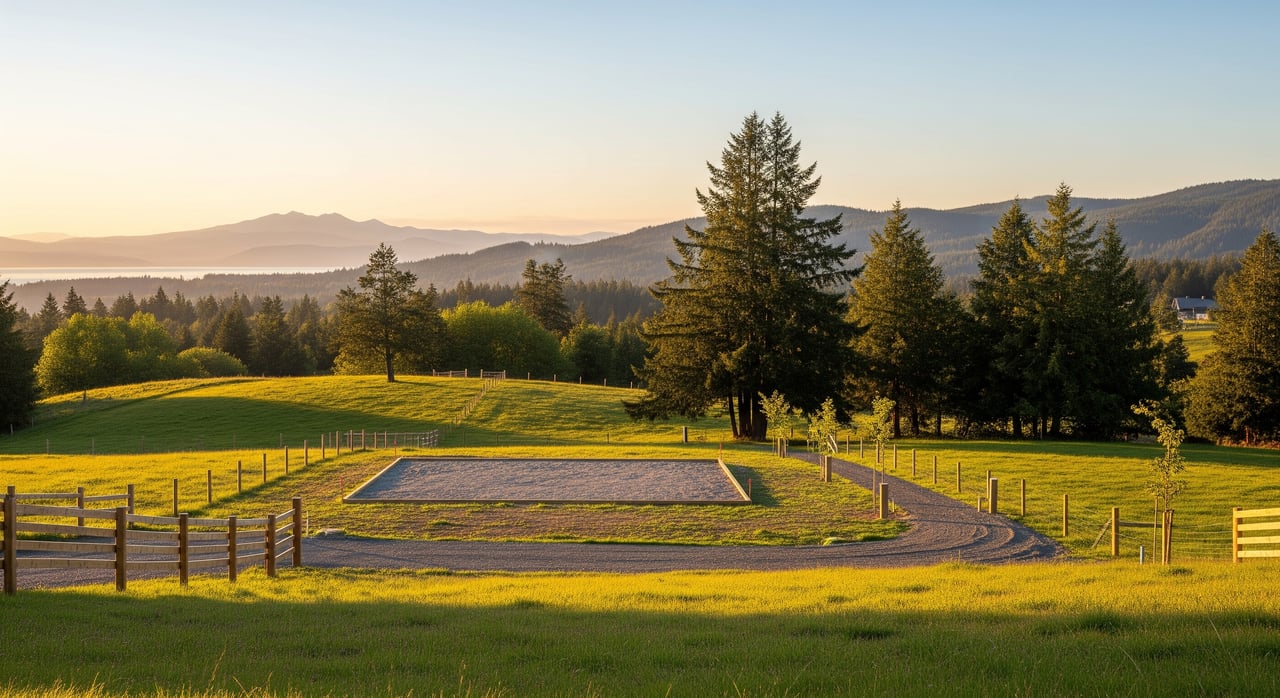
Should You Build or Buy Acreage in Black Creek/Merville?
January 15, 2026
January 15, 2026
Picture yourself on a quiet V9J acreage with room to breathe. The real question is whether you should buy an existing home or purchase land and build. Each path can work well in Black Creek/Merville, but the timelines, approvals, and costs are very different. In this guide, you’ll see what to expect so you can choose with confidence. Let’s dive in.
Buying an existing acreage can get you living on your land in weeks, not years. You see what you’re getting, from the driveway to the well and septic. You still need due diligence, but the big systems are already in place.
Building gives you a home tailored to your lifestyle. You also take on more steps: land due diligence, design, permits, site prep, and construction. Plan for more time, more consultants, and site-specific costs that do not show up in a basic price-per-square-foot estimate.
Before you fall in love with a parcel, confirm who regulates it. Rural properties in the Comox Valley are guided by local zoning and permits, the Agricultural Land Commission for ALR lands, and provincial rules for water, septic, and building code. Many parcels sit outside municipal boundaries, so permit rules can change by jurisdiction.
Check zoning for permitted uses, setbacks, accessory buildings, and minimum parcel sizes. Official Community Plans and Development Permit Areas can require extra studies for riparian areas, steep slopes, or wildfire interface. If the land is in the ALR, uses and subdivision potential are limited. Do not assume you can add a second dwelling or subdivide without checking ALR status and local zoning.
Environmental and natural hazards matter on acreage. Buffers near streams or wetlands, floodplain mapping, erosion risk, and species-at-risk habitat can shape where you can build. Wildfire risk and FireSmart guidelines are increasingly relevant on Vancouver Island and can affect insurance and build requirements.
Buying an existing acreage typically takes 30 to 90+ days from accepted offer to completion. That window depends on inspections, financing, and records for well and septic. Renovations may add time if permits are needed.
Buying land and building commonly takes 12 to 36+ months from land purchase to move-in. Expect stages: 1 to 3 months for land due diligence and purchase, 3 to 9+ months for design and approvals, 1 to 3 months for site prep, 6 to 12+ months for construction, and 1 to 6 months for interiors and final inspections. Timelines stretch if you need ALR approvals, environmental or geotechnical studies, long utility runs, or if builder schedules are full.
Seasonality matters. The wet winter season on Vancouver Island can delay earthwork, access improvements, and foundation steps. Plan schedules with weather in mind.
Lenders treat homes, land, and construction differently. A resale single-family home usually follows standard mortgage rules. Vacant or partially serviced land often requires a larger down payment, and mortgage insurance may not be available.
Construction loans release funds in draws as you hit milestones. You supply a contract, cost plan, and larger upfront equity, then the loan converts to a standard mortgage at completion. You still must qualify under income and stress-test rules, and terms vary by lender and project.
When you build on acreage, site-driven costs can be significant. Common line items include:
Remote or hard-to-access sites can push labour and mobilization costs higher. Insurance needs also change between construction and occupancy. Wildfire exposure, long response times, and onsite systems can affect availability and pricing.
Use this shortlist to reduce risk before you commit:
After your offer is accepted, tighten your numbers and timelines:
If you buy an existing acreage, marketability often improves when key systems are in place. Reliable water, a compliant septic, accessible driveways, usable cleared areas, and flexible accessory building potential help future resale. ALR restrictions, difficult access, and missing utilities can limit buyer interest.
Building lets you design for your lifestyle, but consider future buyers. Flat, usable land and well-planned infrastructure tend to hold value better. Remember ongoing holding costs like taxes, insurance, road maintenance, fencing, brush control, and contractor help for seasonal work.
Engage specialists early to avoid surprises:
As you plan to build, add:
Coordinate early with your lender for land and construction financing, and with an insurance broker familiar with rural and wildfire risk.
If you want the fastest path to living on acreage, buying an existing property can be simpler and quicker. If you value a custom layout and finishes, building can be rewarding with the right plan, budget, and team. In V9J, your best move is to verify ALR status, zoning, water, septic, access, and utilities before you write an offer.
If you’re weighing options in Black Creek/Merville, we can help you compare properties, flag permit and site considerations, and connect you with the right local pros. Reach out to Sophie Gardner for calm, expert guidance on your next acreage move.
Stay up to date on the latest real estate trends.
No matter your need, whether you are a first time home buyer, looking to sell, or a seasoned property investor, contact us to see how we can help with your goals.